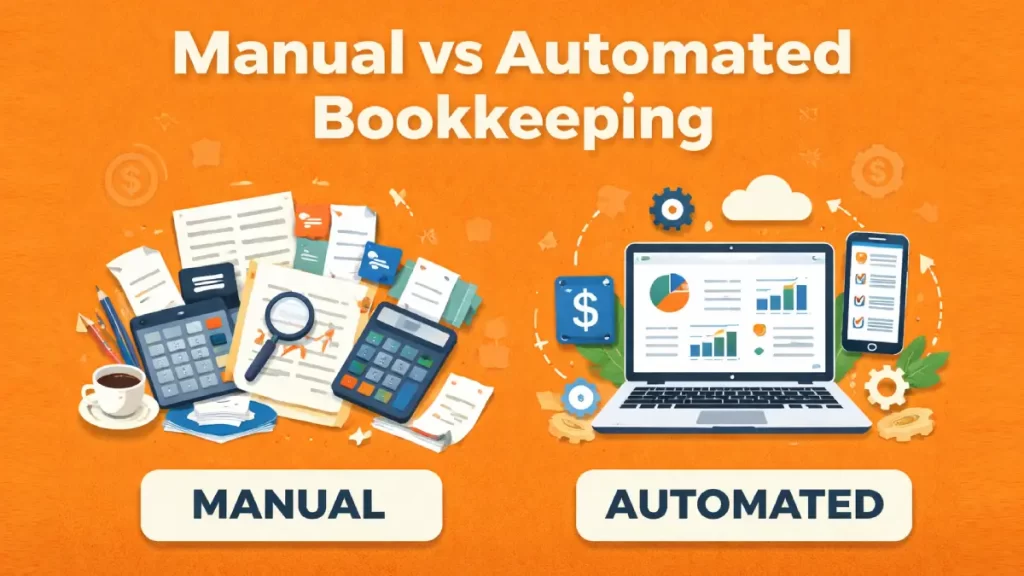
Payroll processing has been one of the most important yet difficult aspects of any business. It is a process where salaries, deductions, taxes, and bonuses are calculated according to labor laws and regulations by the government. In the past, manual work, spreadsheet and repetitive calculations were required in the payroll. Mistakes, time wasted, and compliance problems were frequent, and both HR teams and employees were frustrated.
However, by 2026, the world will have fully automated payroll processing using AI. Organizations are abandoning the manual systems for intelligent payroll systems that are time-saving, error-free, and efficient. This blog is going to go through some ways in which AI and automation in payroll are transforming how companies pay their employees and what businesses should expect in the next couple of years.
Traditional Payroll Challenges
Before diving into AI and automation, it’s important to understand why traditional payroll systems often fail:
- Manual data entry: HR departments take hours to enter in spreadsheets employee hours, leaves and salary information.
- Errors and miscalculations: Even minor mistakes in calculating the salary or tax deductions may cause significant issues.
- Delayed payments: Manual systems can result in late payment of wages, which will impact on employee satisfaction.
- Complex compliance: It is tricky and time-consuming to manage taxes, provident fund, employee state insurance and other statutory rules.
- Limited insights: Traditional payroll lacks a lot of details on trends in salary, overtime costs and payroll errors until it is too late.
AI and Automation: What Do They Mean for Payroll?
Automation and AI do not mean each other, and they form a potent payroll:
- Routine tasks are auto-mated like calculations, printing of reports and payslip distribution.
- AI is intelligent and learns through data and consequently predicts errors, proposes corrections, and offers insights.
The recent AI-powered payroll software is integrated into HR solutions, attendance systems and finance platforms to provide a smooth and smart payroll process.
Key Payroll Tasks Handled by AI and Automation
AI and automation are taking over most payroll tasks with high accuracy:
- Salary calculations: Salaries, overtime, bonuses and deductions are automatically calculated.
- Attendance integration: Live synchronization of leave, attendance and shift information.
- Tax and compliance: Automatic calculation of taxes, provident fund and insurance contribution.
- Error detection: Determining the discrepancies prior to processing payroll.
- Payslip generation: Real-time employee and management digital payslips and reports.
This reduces human errors, saves time, and ensures employees are paid correctly and on time.
Accuracy and Reliability
AI enhances the quality of payroll by verifying the data of employees, identifying suspicious trends, and avoiding computational mistakes. Predictive analytics will predict payroll problems, and HR departments will be able to correct them prior to the payroll. This will also streamline the salary bills to be right and within the budget each month, a factor that will win over the staff.
Compliance Made Easy
One of the greatest AI payroll benefits is compliance. There are dynamic labor laws and tax laws. Payroll software based on artificial intelligence is self updating, it gathers the statutory contributions, and provides audit worthy records. Businesses are not concerned anymore about fines or even court cases due to compliance errors.
Enhancing Employee Experience
With the help of AI and automation, the employee experience becomes better with the speed, transparency, and accessibility of payroll:
- Salary credits are promptly disbursed to employees.
- Payslips and tax information and leave balances can be accessed at any time through self-service portals.
- The AI chatbots respond to payroll inquiries immediately and eliminate reliance on the HR departments.
Insights and Analytics
AI doesn’t just process payroll; it also provides valuable insights:
- Forecasting salary costs and overtime expenses.
- Identifying trends in employee compensation.
- Helping HR and finance teams make data-driven decisions.
With AI-powered payroll analytics, businesses can plan budgets better and optimize workforce management.
Payroll for Modern Workforce
In 2026, the workforce is increasingly remote, freelance, and global. AI and automation handle complex payroll needs:
- Multi-location payroll for distributed teams.
- Managing freelancers and contractual employees with different pay cycles.
- Automatic calculation of taxes for different regions or countries.
This flexibility makes AI-powered payroll suitable for modern business environments.
Security and Privacy
Payroll deals with sensitive information about employees. The protection of this data is provided in the AI-driven systems with the help of encryption, role-based access, and real-time monitoring. There are even systems that recognize abnormal activity to stop fraud. Secure payroll systems create banker’s checks among the employees and safeguard the business’s reputation.
Preparing for AI Payroll
Companies should be ready to implement AI and automation:
- Select payroll software to fit your company.
- Standardize and cleanse available payroll data.
- Educate the HR and finance department about AI applications.
- Begin with some automation and then switch to complete AI processing payrolls.
Conclusion
AI and automation are becoming mandatory. They are reinventing payroll processing in 2026. Fast and error-free salary processing, real-time compliance, insightful analytics, and better employee satisfaction are beneficial to businesses. Employees receive transparency and prompt payments and the HR teams do not have to spend their time doing repetitive calculations but can concentrate on strategic growth.
Through the use of AI-powered payroll solutions, businesses can remain on top, save money and enhance accuracy and make payroll an automatic smart process. Smart payrolls will be quicker, more dependable, and efficient, and companies that adopt AI today will be ahead of the pack in efficiency and employee satisfaction.